




How California’s Giants Are Adapting to Climate Change
To measure their health, scientists must climb to their canopies.
-
CategoryExperiences, Outdoor Adventure
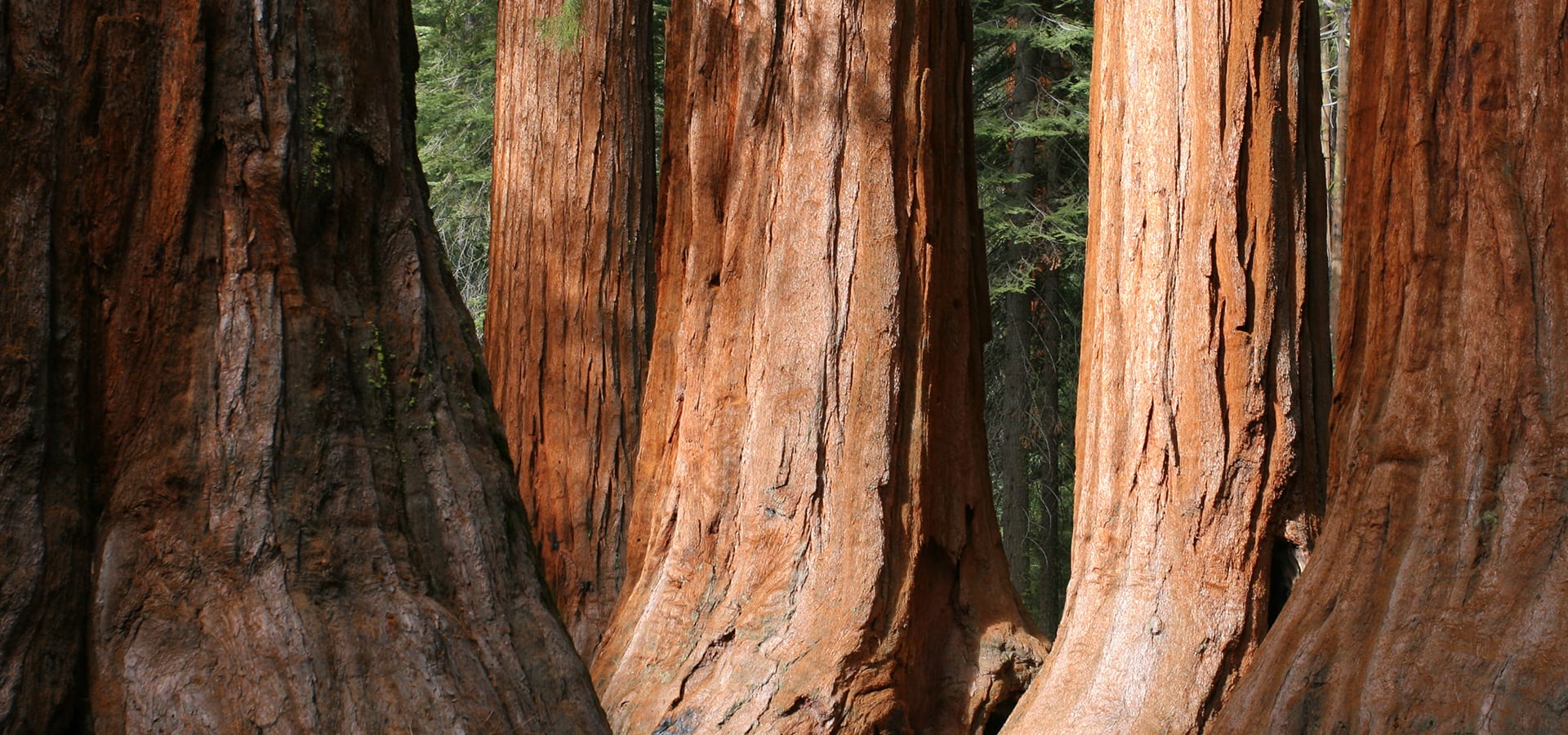
Alive since the Roman Empire, California’s Giant Sequoias were present as civilization grew around them. Now environmental scientists are monitoring the impact of that civilization on their health and survival. According to CBS News, The Forest Service estimates that about 130 million trees died in the state of California during the drought, which lasted from late 2010 through earlier this year.
“Tree ecologists Anthony Ambrose and Wendy Baxter have been working throughout that drought, but they haven’t been studying the pines, firs and cedars that died; they’ve been analyzing the world-famous monsters that survived: the giant sequoias, the largest living creatures on Earth.
“They’ve been living and growing in the same place, some of them, for thousands of years,” said Baxter.
“But even these giants have an Achilles’ heel: water. “We’ve measured that an individual giant sequoia tree uses up to a thousand gallons of water in a single day,” said Ambrose. “If that water supply diminishes, there’s going to be an impact on the trees eventually.”
Read how and why Ambrose and Baxter scale the trees to collect their data here.


A New Case-Study Home Project in Watts Creates Visibility Around Black Architecture
Empowering art and entrepreneurship.


The Who’s Who of Culinary Talent Converge on Los Angeles for a Star-Studded Conference
More reasons to celebrate California’s dynamic food culture.