





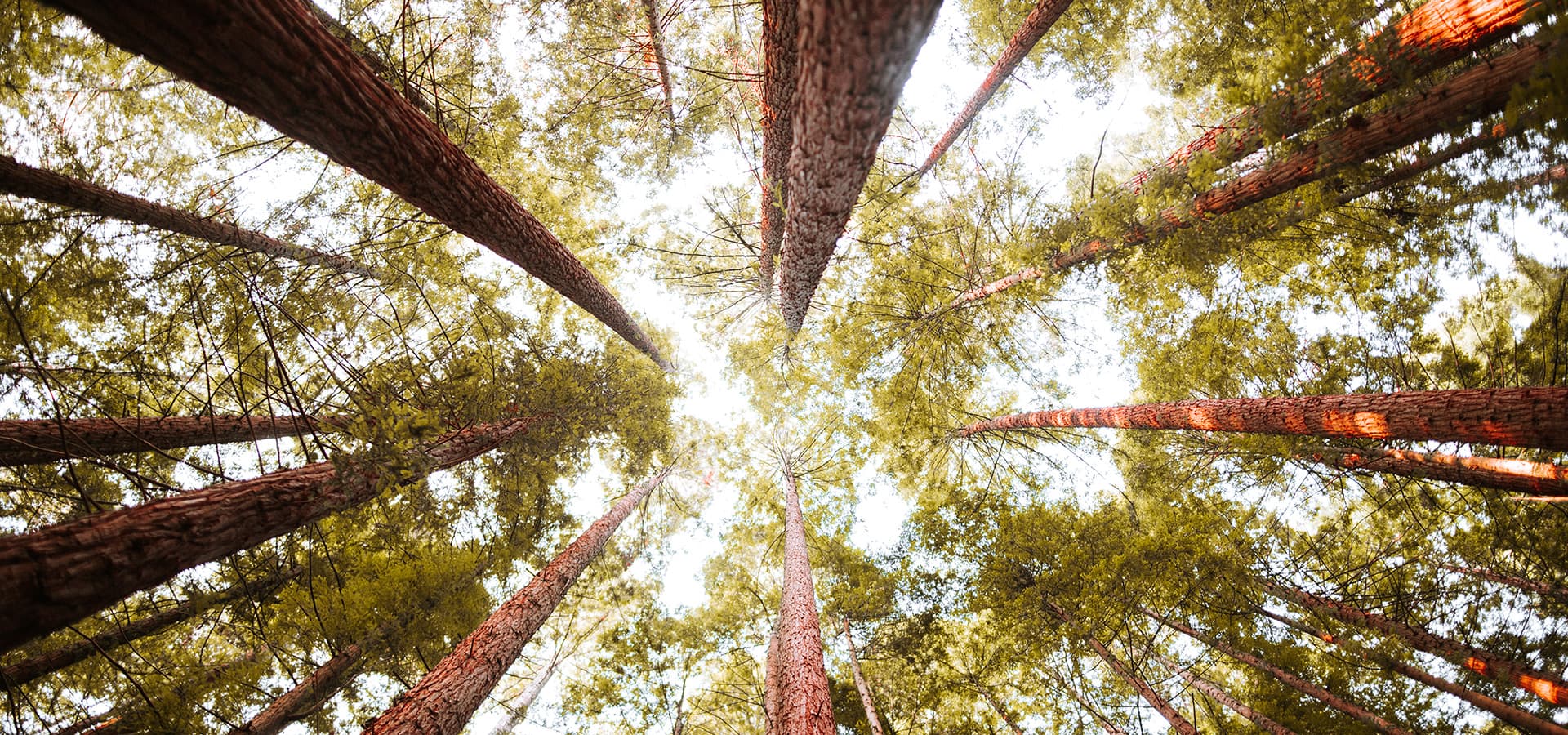
Understanding California Redwoods’ Genetic Code May Be the Key to Their Survival
Ninety-five percent of California’s old growth trees have already been wiped out.
-
CategorySustainability
The coast redwood and giant sequoia have called California home for centuries, yet the last 100-plus years saw the eradication of vast majority due to excessive logging. Now, thanks to the five-year, $2.6 million Redwood Genome Project, funded by San Francisco’s Save the Redwoods League, scientists are closer to uncovering the genetic code that gives these giants their incredible longevity. They also hope the information reveals clues on how to protect surviving trees and their ecosystems from a new enemy—climate change.
The study reveals the coastal redwood genome alone has six sets of chromosomes and 27 billion base pairs of DNA. That puts the tree only second to a salamander with 28 billion pair that can regenerate its limbs. By comparison, humans have two sets of chromosomes.
According to SF Gate, “the complexity of the redwood genome is a product of evolutionary adaptations that helped the trees adjust to changing conditions over thousands of years, but researchers say there is no shame in a small genome. As they say, the length of the wand doesn’t indicate how much magic is in the stick.
“’You think of plants generally—they don’t have brains, so they can’t be that complicated, but a redwood has to stay in the same place for thousands of years and fight off everything that comes its way,’ said Steven Salzberg, a professor of biomedical engineering at Johns Hopkins University in Baltimore, who skippered the sequencing work. ‘It has to have a pretty robust ability to fight off fungi, microbes, insects, beetles, and a vast array of temperatures and humidities.’”
Read more about the redwood ecosystem and efforts to preserve it here.


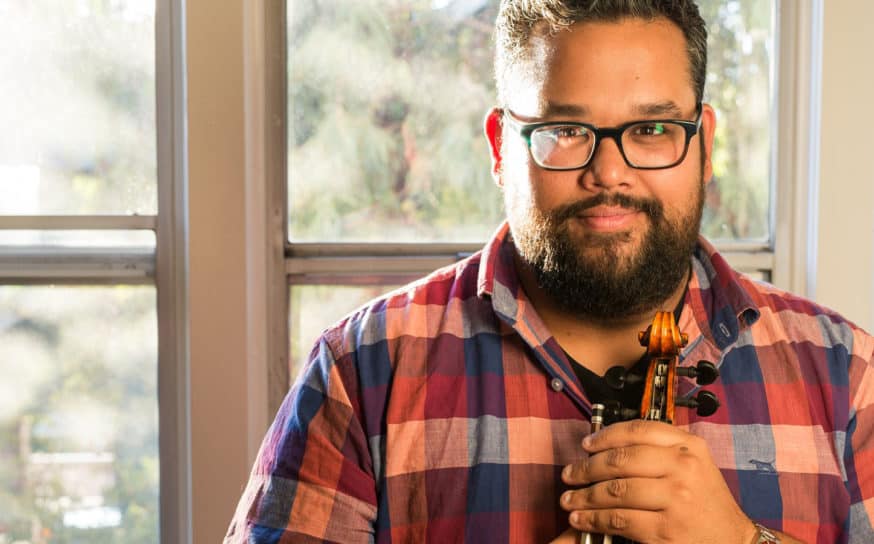
This CA Violinist Just Won the MacArthur Genius Grant
His audiences range from Walt Disney Concert Hall to LA’s Skid Row.
 Ventura Blvd
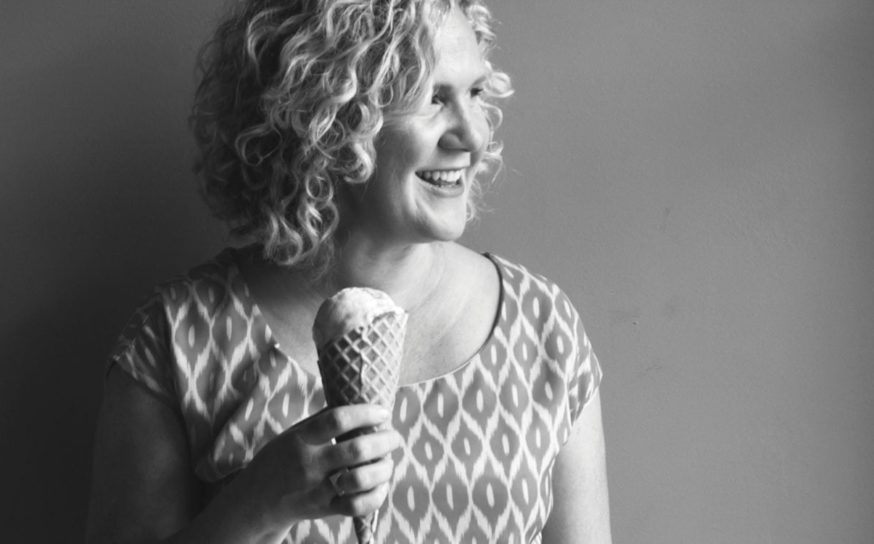
Salt & Straw Founder Kim Malek Creates an Artisanal Ice Cream Empire
She bought her first ice cream maker at Goodwill.
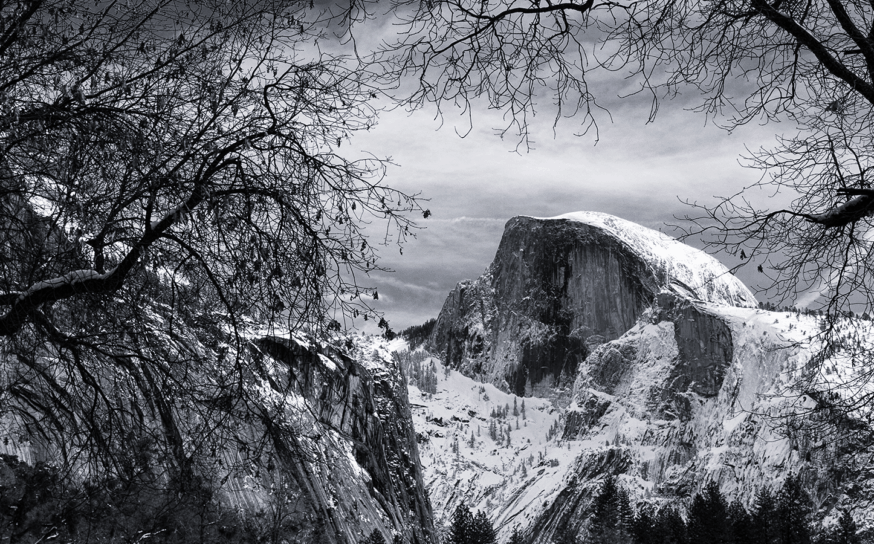
A New Tome Features Yosemite Through the Astute Eye of Ansel Adams
His wife, Virginia, grew up in the national park and was a devoted environmentalist.