




A Stanford Engineer Creates a Synthetic Treatment for Lung Disease
The less costly surfactant may be the key to easing respiratory distress in some patients.
-
CategoryGiving Back, Makers + Entrepreneurs, Tech
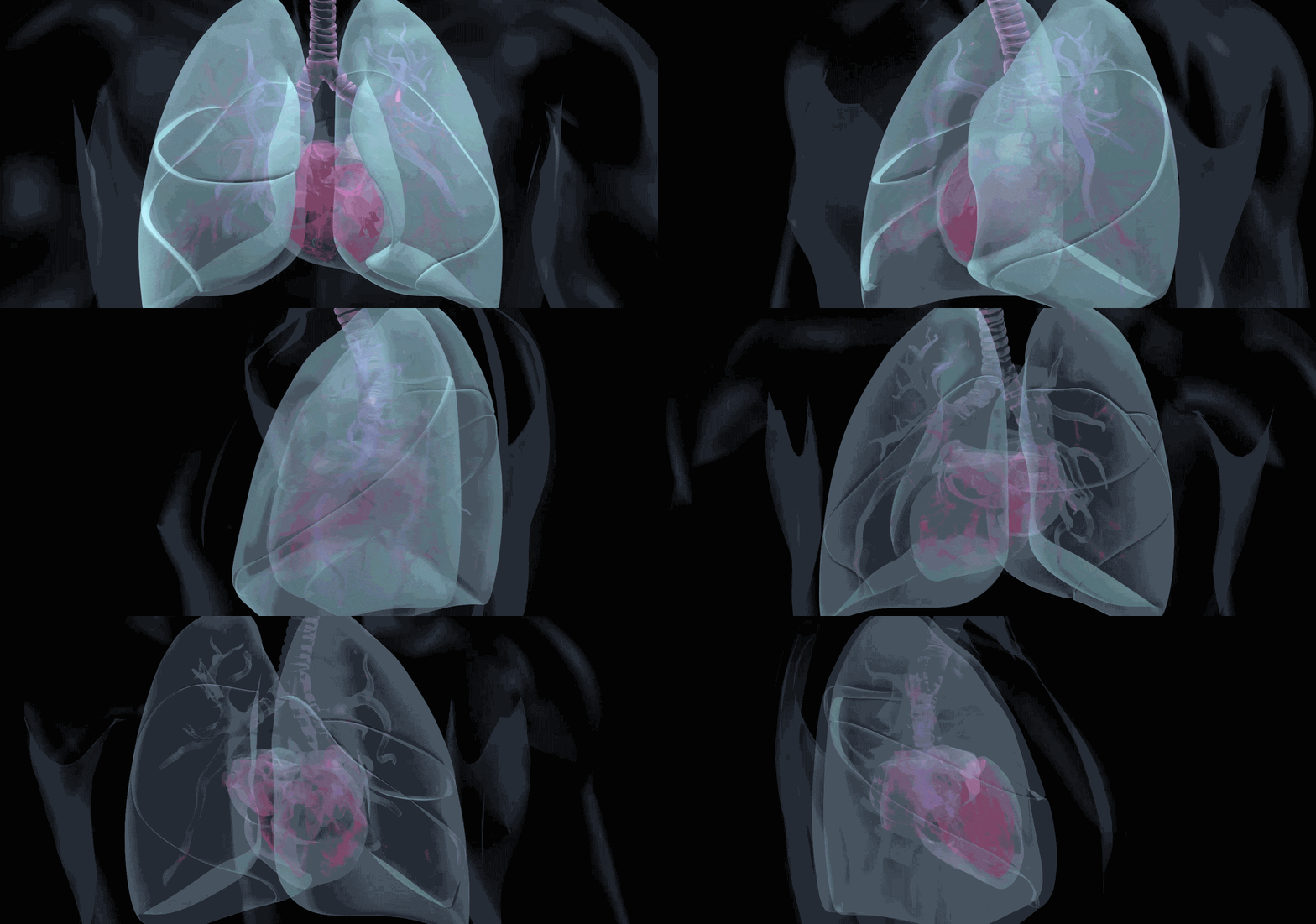
Thanks to the work of a California engineer, patients with breathing difficulties from lung damage may get a breath of fresh air.
According to a story on NPR, “Stanford University’s Annelise Baron has developed a synthetic version of something called lung surfactant. Lung surfactant coats the tiny air sacs in the lung. Without it, every breath would be a struggle, like blowing up millions of little balloons. With surfactant, breathing is as easy as blowing soap bubbles.
“Scientists inferred the existence of lung surfactant in the 1950s, and then Dr. Mary Ellen Avery showed that premature infants were unable to make surfactant, explaining the often fatal respiratory distress syndrome they suffered from.
“Stanford University pulmonologist Angela Rogers says a surfactant harvested from animal lungs has been used successfully to treat these preemies.
“’It’s absolutely a lifesaver,’ says Rogers. ‘Hundreds of thousands of people are alive in our country today because of the widespread use of surfactant.’”
Learn more about the science behind Baron’s replicate surfactant here.



Enjoying the Afterglow of the First-Ever BeachLife Festival in Redondo Beach
Miss out on the festival weekend? Check out some highlights here.

Creature and the Woods Redefine Southern California Roots Rock
New EP is inspired by the transformational powers of Joshua Tree.